
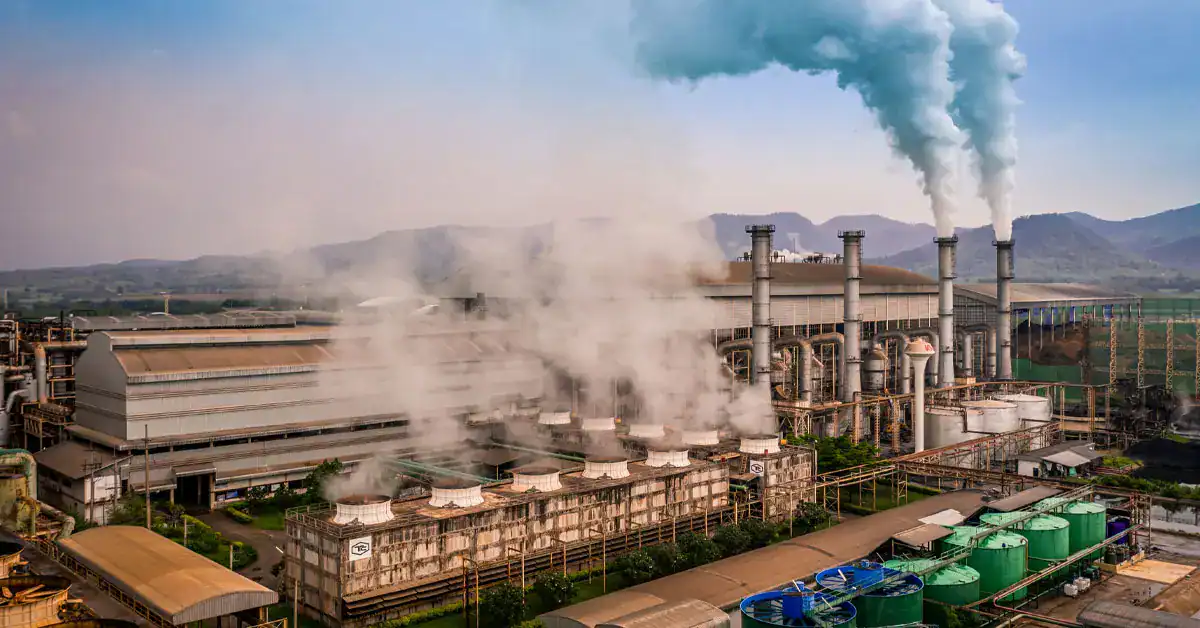
If you run a facility on heat, you may find yourself paying for energy you don’t use. Fuel gets burned to generate heat, and a good share of that heat is then pushed out through the stack, the exhaust, or the vent.
Waste heat recovery can help you capture that heat and put it to work. You’ll lower operating costs, boost efficiency, and shrink your environmental footprint. If you’re managing a plant or facility in an industry reliant on heat energy, here’s what recovery is and how to get the most out of it to benefit your operation.
Key Takeaways
- Waste heat recovery captures heat that would otherwise escape from equipment like incinerators, oxidizers, turbines, and gasifiers, and puts it to work in other processes.
- Economizers and shell-and-tube heat exchangers do most of the work, moving recovered heat into thermal fluid, oil, asphalt, water, or other processes.
- The payoff is lower fuel and utility costs, higher efficiency, and fewer emissions, and in some cases it can replace another heat source entirely.
- Nearly any large-scale operation can benefit, including refining, cement, food and beverage, universities, chemical and pharmaceutical plants, data centers, and pulp and paper.
What is Waste Heat Recovery?
Waste heat recovery is the practice of capturing heat that would otherwise escape into the air or the surrounding environment, and then using that heat elsewhere. The heat source is usually from hot gases exiting industrial equipment like incinerators, oxidizers, turbines, and gasifiers.
When the equipment runs, the energy is redirected to support other operations in the facility (rather than being “wasted” or expelled). These operations might include preheating water, heating oil or asphalt, powering other processes, or even generating electricity for the facility.
In short, waste heat recovery gives your energy a second life instead of letting it slip away.
How Does Heat Recovery Work?
Industrial waste heat recovery systems come in a wide variety of styles and designs, but they all have a common purpose. A waste heat recovery unit captures the energy from hot exhaust and gas. It then transfers that energy to another material or medium, like a thermal fluid, oil, asphalt, or water.
Heat recovery is possible for many different industries, and the solutions are built for so many different applications.
Two kinds of equipment do the majority of the work. Waste heat economizers pull heat from flue gas, and shell-and-tube heat exchangers reroute heat so it can be reused elsewhere in the facility. Economizers are often paired with thermal oxidizers, where they turn high-temperature exhaust back into usable heat, reducing fuel consumption.
For boiler exhaust, a condensing economizer goes a step further by reclaiming latent heat from the water vapor in the flue gas. We break that down in Economizers and Condensing Economizers: Reclaiming Latent Heat.
Why Waste Heat Recovery Matters
Cutting waste is always important. Making the most of the energy you already produce can help you stay competitive and profitable. Recovery systems pay off at the plant level, and the benefits spread across entire industries.
Lower Operating Costs
When you recover heat, it means you don’t have to buy it. A recovery system will reduce your plant’s fuel and utility costs along with its overall energy consumption. Heat recovery is a straightforward option to help you lower operating expenses and improve profitability. It can also help you extend the life of your current equipment.
Higher Efficiency
Efficiency is important for everything from appliances to cars. For large manufacturing facilities and production plants, waste heat recovery systems are the key to streamlining operations. Installing one is a relatively small change that can offer an outsized impact on equipment efficiency.
Resource Conservation
Resources are limited. Using them efficiently is a top priority for almost any business, but especially for large-scale operations. Reusing waste heat is one clear way that facilities can conserve energy. In some cases, a good recovery system can actually eliminate the need for another heat source.
Less Waste and Fewer Emissions
Wasted heat is an inevitable byproduct of manufacturing processes, but that waste can be repurposed rather than discarded. Recovering heat reduces the waste your facility releases into the atmosphere, lowers greenhouse gas emissions, and supports corporate sustainability initiatives. Some waste gases are toxic and must be incinerated before release. A recovery system allows you to put the heat from that process to work, instead of just losing it.
Industries That Benefit from Waste Heat Recovery
Almost any large-scale industrial operation can benefit from waste heat recovery, but several sectors are truly leading the way. Here are the biggest beneficiaries from our perspective.
Oil, Gas, and Fuel Refining: Refining crude oil into fuel is one of the toughest and most energy-intensive industrial processes out there. Distillation, cracking, and treatment generate significant heat. Recovery heat systems help refiners reuse the energy, reducing fuel consumption, cutting emissions, and improving overall plant efficiency.
Cement and Building Materials: Cement kilns run extremely hot. As such, the adoption of waste heat recovery practices in the industry has risen sharply in the last several years. Capturing heat from cement kiln exhaust lowers energy expenditures and helps facilities better meet tightening emissions regulations.
Food and Beverage Production: Cooking, pasteurization, and bottling processes all generate excess heat as a byproduct. Many in the food processing industry use shell-and-tube heat exchangers to reroute and reuse that energy throughout their plants, improving sustainability and cutting costs.
Colleges, Universities, and Large Campuses: Higher education institutions don’t just teach sustainability; they also practice it. Universities are installing heat exchangers and economizers to recover energy from campus utilities, which lowers both energy and water use, in an industry where waste can be a big issue.
Chemical and Pharmaceutical Manufacturing: Precise temperature control is essential in chemical and pharmaceutical production. Recovery systems help stabilize processes and lower utility costs by capturing heat that would otherwise be lost in reactors, dryers, and condensers.
Data Centers and Technology Hubs: Racks of servers generate a tremendous amount of heat. Forward-thinking data centers now use recovered heat to warm offices and nearby buildings, turning what could be a liability into an asset.
Pulp, Paper, and Packaging: Steam is essential to pulp and paper plants. Capturing waste heat from steam vents and dryers delivers significant energy savings and helps offset the high energy demands of paper production.
Put Your Waste Heat to Work
If your facility uses heat, chances are it’s leaking some of it. Waste heat recovery is a strategy that can be applied in any industry that uses heat energy. From reducing waste and energy consumption to increasing efficiency and profitability, recovery systems are among the most logical and practical investments an operation can make.
The experienced engineers at Enerquip can help you design the right waste heat economizer or shell-and-tube heat exchanger to capture, redirect, and reuse your energy.
Call us at (833) 516-6888, contact us online, or request a quote today. Curious about the equipment? Explore the waste heat recovery systems we design and manufacture.
More from the Enerquip Blog
- Shell and Tube Heat Exchanger Design Options for Viscous Products
- How Tank Heating Coils Work
- How Annular Distributors Improve Efficiency in Shell and Tube Heat Exchangers
- 5 Reasons Why You Should Buy Your Complete Industrial Heating System in One Place
- Shell-Side Fluid Challenges: Increasing the Pressure Drop