
How to Make the Most of Your Scheduled Maintenance Shutdown
Comments Off on How to Make the Most of Your Scheduled Maintenance Shutdown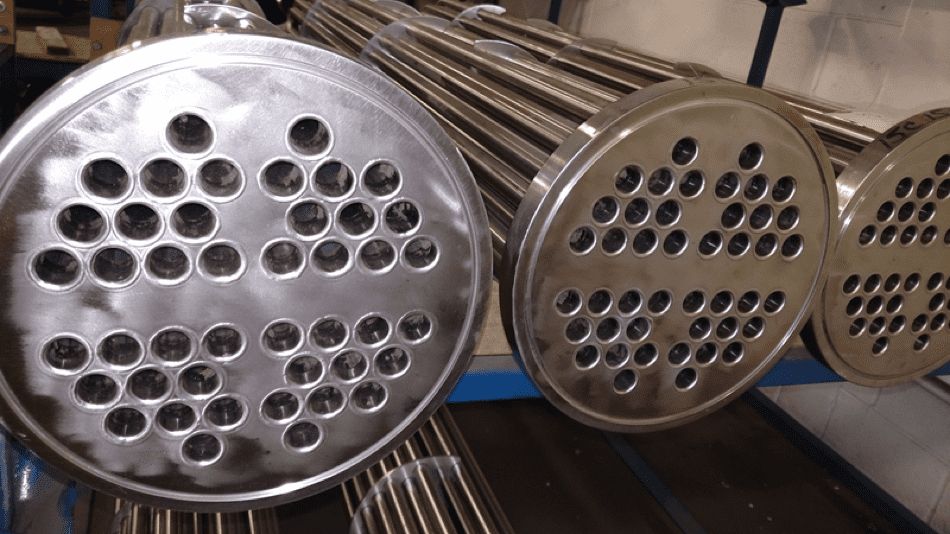
Planned maintenance shutdowns are a key part of keeping your plant running safely and efficiently. But if you only get one or two windows a year to take critical systems offline, you’ve got to make it count. That means planning ahead, coordinating your team, and having the right parts in hand before the wrenches come out.
Whether your next shutdown is around the holidays or tied to a seasonal lull, here are some simple ways to make it smooth and productive.
Review Equipment Performance and History
Start with a quick health check of your equipment:
When was it last serviced?
Has it been running slower or less efficiently?
Are there any recurring issues?
Use your maintenance records to identify components nearing the end of their lifecycle. If something’s showing signs of wear, now’s the time to plan a replacement—or at least inspect it more closely.
Pro Tip: Keep serial numbers, model info, and part specs handy so you can quickly reference or reorder anything you need.
Order Spare Parts Early
You’re not the only one scheduling downtime during slow seasons. Avoid delays by ordering your spare parts early—especially long-lead items like:
Tube bundles
Gaskets
O-rings
At Enerquip, we stock common replacement parts and offer lead times that beat the industry average. That means less waiting and more doing when maintenance day arrives.
Don’t Overlook Your Heating System
Cold weather is a great reminder to give your heating equipment a little TLC. Here’s what to check:
Clean burners and flues to remove carbon buildup
Calibrate pressure gauges and safety valves
Ensure flames are clean and unobstructed to reduce fire risk
Bonus tip: If your process produces hot fluids or steam, you may be sitting on a hidden energy savings opportunity. A shell and tube heat exchanger can help you capture waste heat and redirect it elsewhere—boosting energy efficiency and lowering utility bills.
Check Your Cooling System, Too
Even if your chillers and cooling towers are off for the season, don’t forget them during your shutdown:
Inspect for wear or damage from summer and fall
Drain condensate and flush lines, if needed
Look for corrosion or buildup in tubes or towers
Catching issues now helps you avoid costly surprises when it’s time to power them back up.
Prioritize Safety—Inside and Out
Slip hazards spike in the winter, especially near entrances and high-traffic areas. Stock up on:
Scraper mats to remove snow and debris from boots
Absorbent mats to soak up moisture and prevent puddles
Don’t forget to salt or sand outdoor walkways and loading docks to keep your team safe year-round.
Be Ready for Power Interruptions
If you operate in a region prone to winter storms, a backup power strategy is a must. Make sure:
Your generator is inspected, fueled, and ready to go
You have a plan for critical equipment shutdowns and restarts
Emergency contact and response protocols are updated and accessible
Plan Ahead—Avoid Downtime
The best shutdowns are the ones that go off without a hitch. That means getting ahead of the game:
Review your goals for the day
Stock up on the right spare parts
Coordinate your team and communicate timelines
Need replacement parts for your shell and tube heat exchanger or thermal fluid heater? Contact the Enerquip team to get what you need—fast.
More from the Enerquip Blog
- Key Design Considerations for Harsh Marine Environments
- 5 Smart Maintenance Tips to Keep Your Shell & Tube Heat Exchanger Performing at Its Best
- How Almost Any Industry Can Benefit from Waste Heat Recovery
- What to Know About Clean-in-Place (CIP) Systems
- How Evaporation Equipment Powers Food, Pharma, Energy & More
- Nitrogen Blanketing in Thermal Fluid Heating Systems