
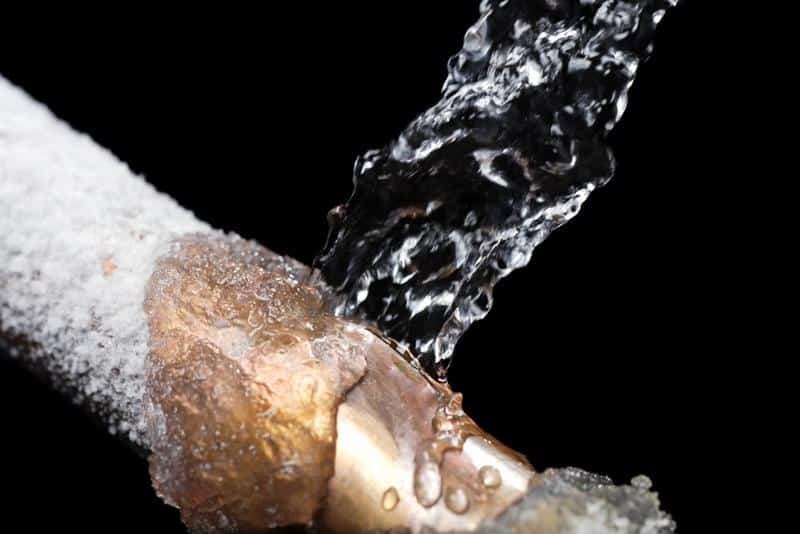
A frozen tube or pipe isn’t just inconvenient—it can burst, cause unplanned downtime, and damage surrounding equipment. While fouling is an unavoidable part of operating heat exchangers, freezing fouling is one of the most disruptive (and preventable) forms.
In this article, we’ll break down what freezing fouling is, how it differs from crystallization fouling, ways to prevent it, and what to do if it happens.
What is Freezing Fouling?
Freezing fouling—also known as solidification fouling—occurs when fluid inside a heat exchanger solidifies on the heat transfer surface, creating a blockage that can be difficult to remove.
This can happen when:
-
The exchanger’s surface temperature drops below the freezing point of the process fluid.
-
Moist air or vapor condenses and freezes on a cold surface.
-
Certain components in a solution (with higher melting points) solidify, creating slurries or uneven fluid composition.
For example, if water on the tube side drops below 32°F (0°C), ice can begin to form. Depending on process conditions, this could result in a thin layer of ice or a thick, damaging buildup.
Freezing Fouling vs. Crystallization Fouling
While freezing fouling involves the entire fluid (or part of it) solidifying, crystallization fouling occurs when dissolved substances precipitate and deposit on heat transfer surfaces.
Common terms include:
-
Scaling – Hard deposits that are extremely difficult to remove.
-
Sludge or soft scale – Softer, porous, or slimy buildup.
Sometimes the two overlap. For instance, waxy hydrocarbons like paraffin can solidify on cold surfaces. Depending on conditions, this may be considered crystallization or freezing fouling. Paraffin’s high melting point (104–158°F / 40–70°C) makes it especially problematic in oil and gas applications.
How to Prevent Freezing Fouling
The best defense is prevention. Start by fully understanding your process fluids—their freezing points, cloud points, and how they behave under varying conditions.
Key strategies include:
-
Maintain proper temperature control – Avoid operating near the freezing or wax appearance temperature (WAT) of your fluid.
-
Use antifreeze when appropriate – Ensure concentration levels are correct.
-
Check for equipment malfunctions – Freezing fouling often results from a failed sensor, improper setting, or malfunctioning chiller.
-
Insulate and protect – Prevent cold-weather freeze-ups by insulating exchangers or adding heat tracing.
-
Proper shutdown procedures – Always drain units thoroughly before seasonal or extended shutdowns.
Responding to Freezing Fouling
Even with safeguards, freezing fouling can still occur. Here are common recovery options:
-
If fouling is on the shell side – Consider electric tracing or external warming methods.
-
If fouling is likely permanent – Positioning the fluid on the tube side may allow the tube bundle to be removed and replaced, instead of scrapping the entire exchanger.
-
For waxy deposits – Use steam, hot oil, or chemical cleaning to melt or dissolve the buildup.
In severe cases, fouling can cause permanent damage. If replacement parts or a custom-built exchanger are needed, working with an experienced engineering partner ensures faster recovery and long-term reliability.
Protecting Your Equipment for the Long Run
Freezing fouling may not be the most common challenge in thermal processing—but when it happens, the consequences are serious. Understanding your fluids, controlling conditions, and planning ahead are the best ways to protect your shell and tube heat exchangers.
If you’re facing persistent fouling issues—or need a replacement bundle, part, or custom heat exchanger—our engineering team at Enerquip Thermal Solutions is here to help. Contact us.
More from the Enerquip Blog
How Often Should You Clean Your Shell and Tube Heat Exchanger?
How Pinch Analysis Can Unlock Energy Savings in Your Facility
Preventing Cross Contamination in Shell and Tube Heat Exchangers
Vacuum Breakers 101: Small Device, Big Impact on Heat Exchangers
How Almost Any Industry Can Benefit from Waste Heat Recovery