
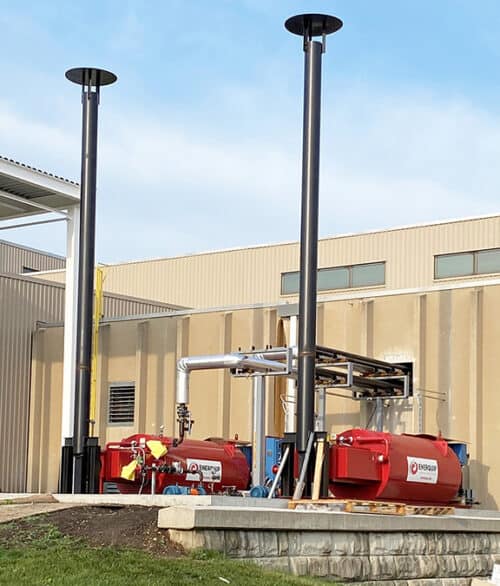
When a facility needs a new industrial heating system, the pressure to make a quick decision is often intense. Production delays, aging equipment, or expanding operations can push teams to move fast. Yet industrial heating systems are long-term investments that affect energy consumption, operating costs, maintenance schedules, and overall plant reliability for years to come.
Taking the time to evaluate the right system is not simply a purchasing decision: it’s an operational strategy. A well-selected system can improve efficiency, extend equipment life, and stabilize production processes. The wrong choice can introduce higher costs, unnecessary downtime, and performance limitations.
For organizations evaluating new heating equipment, several technical and operational factors should guide the decision.
Key Questions to Ask When Choosing an Industrial Heating System
What Is an Industrial Heating System?
An industrial heating system, or thermal fluid heating system, is equipment designed to generate and distribute heat for manufacturing processes.
These systems are used in industries such as tank terminal storage, chemical production, asphalt processing, food processing, and industrial fabrication to maintain precise process temperatures.
Why Is Efficiency Important in Industrial Heating Systems?
Efficiency determines how much usable heat a system produces relative to the fuel it consumes, directly affecting energy costs and overall operating efficiency. Higher-efficiency industrial heating systems reduce fuel consumption, lower emissions, and help facilities maintain stable long-term operating costs.
Efficiency is often the first metric engineers and plant managers examine when evaluating new heating systems, and for good reason. Heating equipment typically represents a major portion of a facility’s energy consumption.
Modern industrial heating systems are designed to extract more usable heat from fuel while minimizing energy loss. Higher efficiency can significantly reduce operating costs over the life of the equipment, especially in facilities that operate continuously.
Improved efficiency can also support sustainability initiatives by lowering fuel consumption and reducing emissions. As energy prices fluctuate and environmental regulations continue to evolve, efficient heating systems are becoming increasingly valuable assets.
Learn more about the role of efficiency in industrial heating systems.
How Does Coil Design Affect Thermal Fluid Heater Performance?
Coil design influences how effectively heat transfers to the thermal fluid and how well the heating system handles long-term thermal stress. Well-engineered coil designs improve heat transfer efficiency, reduce fluid degradation, and support longer equipment life.
In thermal fluid heating systems, coil design plays a central role in heat transfer performance, system durability, and long-term reliability.
Many thermal fluid heaters use traditional helical coil designs, which have been widely adopted across the industry. However, alternative designs such as serpentine coils can offer mechanical and operational advantages depending on the application.
Serpentine coil configurations are designed to promote efficient heat transfer while maintaining lower fluid velocity stresses and improved structural support throughout the coil assembly. These characteristics can contribute to longer service life and consistent system performance over time.
Understanding the engineering differences between coil designs can help buyers select equipment that aligns with their process demands and long-term reliability goals.
What Is Film Temperature and Why Does It Matter?
Film temperature refers to the temperature of the thin layer of thermal fluid that comes into contact with the heating coil surface. If film temperature becomes too high, it can accelerate fluid degradation, reduce heat transfer efficiency, and increase maintenance costs.
Film temperature is an important, but often overlooked variable in thermal fluid heating systems. When the fluid in direct contact with the heated coil reaches excessive temperatures, it can begin to break down prematurely. This degradation can lead to reduced heat transfer efficiency, carbon buildup on coils, and more frequent thermal fluid replacement.
Managing film temperature is therefore essential for protecting both the heating equipment and the thermal fluid itself. Systems designed to maintain lower film temperatures can extend fluid life, improve heat transfer stability, and reduce long-term maintenance costs.
For facilities operating high-temperature processes, this factor deserves close attention during equipment selection.
What Maintenance Requirements Should You Expect From Industrial Heating Equipment?
Maintenance requirements vary depending on the design, operating conditions, and complexity of the heating system. Understanding routine service needs, such as inspections, cleaning, and component replacement, helps facilities plan maintenance schedules and minimize unexpected downtime.
All industrial heating systems require maintenance, but the scope and frequency can vary significantly depending on the system design and operating conditions.
Before purchasing new equipment, operators should evaluate:
- Routine inspection requirements
- Cleaning procedures
- Component accessibility
- Availability of replacement parts
- Technical expertise required for servicing
Systems designed with serviceability in mind can significantly reduce downtime and simplify long-term upkeep. In contrast, equipment that is difficult to maintain may create operational challenges over time.
Evaluating maintenance needs early in the purchasing process can help facilities avoid unexpected operational burdens later.
How Do Industry and Application Requirements Affect Heating System Selection?
Different industries require heating systems designed to meet specific process temperatures, heat loads, and operational demands. Selecting a system that matches the requirements of your application helps ensure reliable performance, consistent product quality, and efficient operation.
Industrial heating systems are rarely one-size-fits-all solutions. The ideal system depends heavily on the process being supported.
For example:
- Food and beverage facilities often prioritize precise temperature control and sanitary design considerations.
- Chemical processors may require systems capable of handling higher operating temperatures and specialized thermal fluids.
- Asphalt and industrial manufacturing operations often demand high heat output and rugged durability.
Understanding the thermal requirements of the specific application, such as temperature range, heat load, and operating schedule, helps ensure the heating system supports production without becoming a limiting factor.
Working with engineers who understand these industry-specific demands can simplify the selection process and reduce the risk of under- or over-specifying equipment.
Should You Repair or Replace an Aging Industrial Heating System?
Repairing older heating equipment may provide short-term relief, but replacement is often the better long-term investment when systems become inefficient or unreliable. Modern heating systems typically offer improved efficiency, lower maintenance needs, and better overall performance.
When existing heating equipment begins to fail, facility managers often face a difficult decision: repair the system or replace it entirely.
Repairs may offer a short-term solution, but older equipment can carry hidden costs. Aging systems may operate less efficiently, require more frequent service, and struggle to meet modern performance expectations.
In many cases, replacing outdated heating equipment with modern systems can provide better long-term value. Newer designs often incorporate improved efficiency, enhanced durability, and updated safety features that reduce operational risk.
Evaluating the total lifecycle cost, rather than the immediate repair expense, can help organizations make more informed decisions.
How Do You Choose the Right Industrial Heating System for Your Facility?
Choosing the right industrial heating system requires evaluating efficiency, system design, maintenance requirements, and the specific thermal demands of your process. Careful evaluation helps ensure the equipment supports reliable production and delivers long-term operational value.
Selecting an industrial heating system requires balancing technical performance, operational reliability, and long-term cost considerations. Efficiency, coil design, film temperature management, maintenance requirements, and application-specific needs all play important roles in determining the right solution.
Facilities that carefully evaluate these factors are more likely to install systems that support stable operations, predictable maintenance schedules, and lower lifetime operating costs.
For organizations exploring heating system options, working with experienced equipment designers can provide valuable insight during the evaluation process. Decades of industry experience often reveal practical considerations that are not immediately obvious during early research.
If you are evaluating new industrial heating equipment, consulting with knowledgeable engineers can help ensure the system you choose is well matched to your facility’s needs. Contact us today.
From the Enerquip Blog
When to Replace Your Thermal Oil Heating System
Mechanical Reasons to Choose a Serpentine Coil Heater Over a Helical Coil Heater
Questions to Ask When Shopping for Industrial Heating Equipment
Thermal Fluid Heater Maintenance Tips
Weigh the Pros and Cons of New vs. Used Industrial Heating Equipment