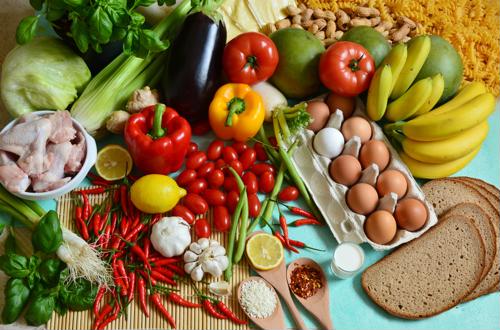
Shoppers trust you to provide them with food that is clean and safe to eat.
Food manufacturers carry a critical responsibility: delivering products that are clean, safe, and free from contamination. With consumer trust on the line—and increasingly stringent food safety regulations—preventing food recalls must be a top operational priority.
This guide covers the key steps every food processing facility should take to reduce contamination risks, maintain sanitary operations, and safeguard brand reputation.
Why Preventing Food Recalls Matters
Even with high safety standards, mistakes and contamination events can occur. Undeclared allergens, improper sanitation, and microbial contamination continue to trigger food recalls across the industry. Some of the most common foodborne pathogens include:
- E. coli
- Listeria monocytogenes
- Salmonella
These contaminants can cause severe illness and even death if introduced into food or dairy products. According to the U.S. FDA, millions of Americans suffer from foodborne illness each year—reinforcing the importance of preventive controls.
Beyond the threat to public health, food recalls can be financially devastating. A single recall can cost a company millions of dollars in direct expenses—not including long-term damage to brand reputation and consumer trust.
1. Conduct Regular Process Reviews
A sanitary production process is the foundation of safe food manufacturing. To reduce recall risks, facilities must perform regular reviews of their equipment, workflows, and preventive controls.
Key process-review best practices include:
Performing routine vulnerability assessments: Identify contamination risks—such as product flow bottlenecks, dead legs in piping, or equipment that is difficult to clean thoroughly.
Scheduling ongoing inspections: Even during peak production periods, visual checks help monitor equipment condition and catch early warning signs. Follow quick inspections with more detailed evaluations to ensure thorough oversight.
Reassessing compliance with food safety regulations: The Food Safety Modernization Act (FSMA) requires food processors to implement preventive controls and maintain documentation. Regular reviews ensure your operations stay aligned with regulatory standards.
2. Invest in Sanitary, Easy-to-Clean Equipment
Equipment design plays a major role in preventing contamination and supporting efficient, hygienic workflow. Two factors matter most:
- Sanitary design and construction
- Proper cleaning and maintenance
Sanitary design essentials
High-quality sanitary equipment includes:
- Smooth, crevice-free surfaces
- Rounded edges to prevent product buildup
- Corrosion-resistant materials that minimize fouling
Stainless steel shell and tube heat exchangers are widely used in food and dairy operations because they meet these criteria and deliver excellent thermal performance.
Heat exchanger design options
-
Straight-tube heat exchangers: Fewer corners mean easier cleaning and reduced risk of fouling.
-
U-tube heat exchangers: Slightly more complex to clean, but highly effective with the right process and CIP system.
Cleaning-in-Place (CIP) integration
CIP systems clean equipment without disassembly by circulating hot water, steam, and cleaning chemicals through sanitary heat exchangers. CIP offers:
- Consistent, reliable cleaning
- Reduced water and chemical use
- Minimal downtime
3. Choose High-Quality Sanitary Heat Exchanger Equipment
Your food safety systems are only as strong as the equipment you rely on. Working with a trusted sanitary equipment manufacturer ensures your processes meet strict hygienic standards.
Why material choice matters
Cross-contamination risks increase when equipment comes into contact with non-food-grade materials like carbon steel. Leading sanitary manufacturers avoid these materials to ensure product integrity. Enerquip, for example, manufactures product-contact surfaces exclusively from stainless steel and offers fabrication that meets 3-A Sanitary Standards and other food industry requirements.
Sanitary surface finishes
Smooth surfaces reduce bacterial harborage and product fouling. Enerquip heat exchangers feature:
- Standard 32Ra surface finishes
- Optional lower Ra or electropolished finishes for ultra-clean applications
Protect Your Brand by Partnering with Experts in Sanitary Heat Exchangers
The right equipment and preventive processes significantly reduce the risk of contamination and costly recalls. If you’re evaluating your current setup or designing a new process, collaborating with experienced heat exchanger specialists can help optimize safety and efficiency.
Enerquip’s team can guide you through custom design options that support sanitary production, product integrity, and long-term reliability.
Connect with Enerquip’s experts to explore how custom shell and tube heat exchangers can enhance food safety and reduce recall risk in your facility.