Skip to Content
Exit

Tag Archive: Heat Exchanger Design

  1. What You Need to Know About Cleaning Different Tube Configurations

    Leave a Comment

    Shell and tube heat exchangers are built to perform—but only if they’re properly cleaned and maintained. Whether you’re planning a new system or evaluating your current one, understanding how tube configuration affects cleanability can help you avoid downtime, fouling, and costly repairs.

    Let’s break down the most common tube configurations and what you need to know to keep them clean and operating efficiently.

    Fixed Tube Sheet Heat Exchangers

    Straightforward design, straightforward cleaning—mostly.

    Fixed tube sheet exchangers are popular for their simplicity and cost-effectiveness. The tubes are straight and welded to the shell, making the construction solid and reliable.

    Cleaning Tips:

    • Tube side cleaning is easy. Just remove the bonnet and you’re in. Brushes, hoses, or chemical flushes can go right through the straight tubes with minimal effort.

    • Shell side cleaning? Trickier. Since the tube sheet is welded in, mechanical access to the shell side is nearly impossible. You’ll need to use chemical cleaning agents—and make absolutely sure they’re fully flushed out afterward to avoid corrosion or contamination.

    • Bonnet style matters. L-type and N-type bonnets allow easy access without removing piping. M-type bonnets? Not so much—you’ll need to remove the entire head.

    Best for: Clean fluid applications on the shell side or systems where fouling is minimal.

    U-Tube Heat Exchangers

    Flexible in operation, less so in cleaning.

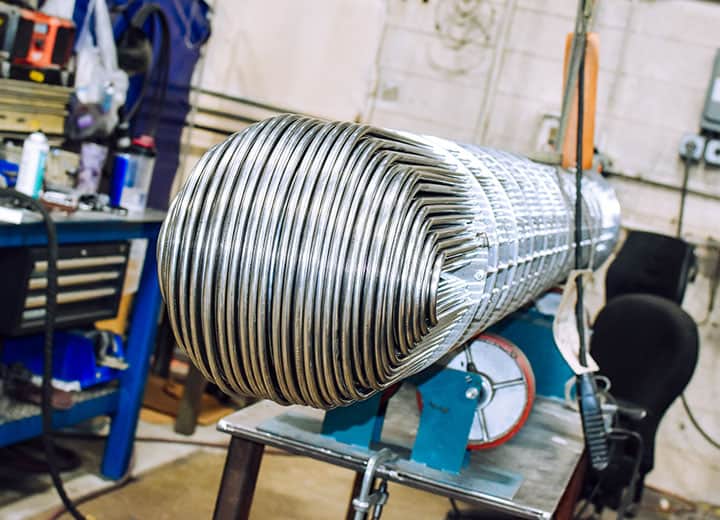
    With just one tube sheet and a return bend, U-tube exchangers are great for applications with high thermal expansion. But that bend at the end? It complicates cleaning.

    Cleaning Tips:

    • Tube side is tough. Mechanical cleaning is limited unless you’re using flexible-shaft tools or articulating brushes. Chemical cleaning is possible, but hardened scaling at the bend can be stubborn.

    • Shell side is a breeze. One tube sheet makes disassembly easier, allowing straightforward access to clean the shell and the outside of the tubes.

    Best for: Non-fouling services on the tube side and when thermal expansion is a major concern.

    Floating Head Heat Exchangers

    The best of both worlds—cleaning and flexibility.

    Floating head exchangers combine the cleaning ease of straight tubes with the flexibility to handle expansion like a U-tube. One tube sheet is fixed; the other “floats” to accommodate movement.

    Cleaning Tips:

    • Tube side cleaning is easy. Straight tubes mean standard brushes and hoses work well.

    • Shell side cleaning is also accessible. Many floating head designs allow you to remove the entire tube bundle for a deep clean.

    • Watch the rear head design.

      • P-type: Easy tube side access, but you can’t pull the bundle.

      • S-type: Bundle is removable but harder to disassemble.

      • T-type: Easier to remove and clean—often preferred, though slightly more expensive.

      • W-type: Also easy to remove and typically more budget-friendly.

    Best for: Applications with heavy fouling or thermal cycling, such as petroleum processing or reboilers.

    Cleaning Considerations = Smarter Design Decisions

    When selecting or maintaining a heat exchanger, don’t treat cleaning as an afterthought. Choosing the right tube configuration for your process—and knowing how to clean it—can improve performance, minimize downtime, and extend the life of your equipment.

    Not sure which setup is best for your operation? Contact us for guidance tailored to your process.


    More from the Enerquip Blog

  2. Why Is My Heat Exchanger Flange Leaking? Common Causes & Fixes

    Leave a Comment

    Shell and tube heat exchangers are essential to safe, efficient processing—and leaks are never part of the plan. Whether you’re working in food and beverage, chemical, or pharmaceutical manufacturing, even a small leak can trigger big problems: lost productivity, product contamination, environmental hazards, or fire risk.

    One common place where leaks show up? The flanges.

    Understanding what causes flange leaks—and how to fix them—can help you protect your equipment, your team, and your bottom line.

    First, What Is a Flange?

    Flanges are the connection points where parts of a heat exchanger are joined together. Each flange includes:

    • A metal ring (flange face)

    • A gasket for sealing

    • Bolts that hold everything in place

    When leaks occur at the flange, the gasket is often blamed—but it’s not always the sole culprit. Let’s look at three common causes of flange leaks and how to resolve them.

    1. Thermal Stress & Flange Distortion

    Heat exchangers are built to handle wide temperature swings—but extreme temperature differentials can still cause metal parts to expand and contract at different rates, leading to flange warping or misalignment. If the differential exceeds around 110°C (230°F), extra precautions should be taken during design or maintenance.

    How to prevent distortion-related leaks:

    • Increase flange and tube sheet thickness

    • Use more conservative stress values in calculations

    • Lower the allowable flange rigidity index

    • Increase the bolt ratio to 120% of the design value and run full bolt-load analysis

    Working with a heat exchanger manufacturer who understands your application’s thermal profile is key to preventing temperature-induced failures from the start.

    2. Loose or Improperly Torqued Bolts

    Heat, vibration, and pressure can all cause bolts to loosen over time—leading to loss of gasket compression and eventual leaks. Retightening bolts is a start, but doing it incorrectly or too frequently may mask a larger issue.

    Best practices:

    • Use proper torquing techniques: hot torquing or hydraulic tensioning are more effective than manual tightening.

    • Check for excessive paint on bolts: degraded coatings can reduce bolt load over time.

    • Ensure the design supports proper load distribution and stress handling.

    If your flange bolts keep loosening no matter how often you tighten them, you might need to reassess the mechanical design or use hardware that can absorb thermal expansion and pressure cycles better.

    3. Inadequate Hardware or Gasket Design

    Persistent leaks—even after proper bolt torquing—may indicate a deeper issue with your gasket or hardware setup.

    Two effective solutions:

    • Disc spring washers: These help maintain constant bolt load despite thermal expansion and contraction
    • Weld ring gaskets: These reinforced gaskets are welded in place, keeping the sealing material contained and preventing deformation or scuffing caused by movement

    These types of upgrades help maintain seal integrity over time, especially in systems that see repeated thermal cycling or vibration.

    Don’t Ignore the Signs of a Flange Leak

    Whether your system is brand new or has been running for years, a flange leak should never be brushed off. It’s often a warning sign of a larger issue—whether it’s stress, improper assembly, or a need for a more robust design.

    At Enerquip Thermal Solutions, we’re here to help. Our engineers can review your heat exchanger configuration, identify the root cause of recurring leaks, and recommend the best path forward—whether it’s replacement parts, design tweaks, or new equipment.

    Contact us today to troubleshoot flange leaks and keep your system running safely and efficiently.


    More from the Enerquip Blog

  3. Tube Side or Shell Side: Comparing Fluid Allocation Options for Your Shell and Tube Heat Exchanger

    Leave a Comment

    Every shell and tube heat exchanger operates with two fluids—one flowing through the tubes and the other in the shell. You likely made a careful selection based on the unique needs of your process and the specific properties of each fluid. But deciding where to allocate each fluid is just as important.

    Fluid placement affects heat transfer efficiency, maintenance requirements, and the overall cost of your exchanger and future replacements. To help you make the best decision, ask yourself these five key questions.

    1. Which fluid is more likely to foul?

    Minimizing fouling is a critical goal in any heat exchanger design. Even with preventative measures in place—such as selecting compatible materials and creating effective cleaning schedules—fouling is often inevitable. When it occurs, you want the cleaning process to be as easy and efficient as possible.

    In most cases, the tubes are easier to clean than the shell. For this reason, it’s typically a smart move to place the fluid with a higher fouling potential on the tube side. However, the design of your heat exchanger matters here. For example, U-tube configurations are harder to clean than straight tubes, which could make cleaning the shell side easier in those cases. Evaluating your heat exchanger’s design before deciding will ensure the fouling-prone fluid is in the location that minimizes downtime and maintenance costs.

    2. Which fluid is more corrosive?

    Corroded tubes are easier to replace than a corroded shell.

    Corrosion can take a toll on any system, but some damage is easier and cheaper to address than others. Replacing corroded tubes is typically simpler and less costly than replacing the entire shell, which often requires a full exchanger replacement.

    For this reason, it’s generally better to place more corrosive fluids on the tube side. Additionally, this strategy allows engineers to select different materials for the tubes and shell, using more corrosion-resistant materials where needed without overengineering the entire system.

    Stainless steel tubes often hold up better against corrosive fluids than carbon steel. Selecting the right materials at the design stage can extend the life of your heat exchanger and reduce maintenance expenses.

    3. What states are the fluids in?

    Understanding the physical state of your fluids during operation is essential for efficient allocation.

    • Vapors: Fluids that are or will become vapor should generally be on the shell side due to their larger volume and lower heat-transfer coefficient.
    • Non-condensing vapors: If the vapor won’t condense, it’s often better on the tube side to prevent stagnation in the shell, which can reduce heat transfer efficiency.
    • Fluids prone to solidification: If there’s a chance the fluid could freeze or solidify, it should be on the tube side, where mechanical cleaning or tube replacement is more feasible. Solidified fluids on the shell side could mean extensive downtime or equipment replacement.

    4. Which fluid has the highest pressure?

    Handling high-pressure fluids requires thicker containment walls, which can quickly escalate costs. Since building thicker tubes is more cost-effective than building a thicker shell, the high-pressure fluid should typically be allocated to the tube side.

    This approach not only keeps costs down but also simplifies future repairs, as damaged tubes can be replaced without overhauling the entire system.

    5. How viscous are the fluids?

    Viscous fluids usually have low heat-transfer coefficients, which can negatively impact performance. By placing them on the shell side, you can improve heat transfer efficiency through a staggered tube arrangement, which increases turbulence and enhances heat transfer.

    However, viscous fluids also tend to have a higher pressure drop, creating challenges such as bypassing baffles or causing vibrations. To mitigate these risks, vibration issues should be addressed during the design phase, ensuring long-term operational reliability.

    Smart Fluid Allocation Starts in the Design Phase

    Finding the ideal fluid allocation isn’t always straightforward, especially when conflicting factors arise. For instance, if both fluids would benefit from the shell side, you’ll need to carefully prioritize based on the overall design objectives and maintenance strategies.

    That’s why early planning is key. When you identify your process fluids before the design phase, engineers can create a custom heat exchanger tailored to your specific needs. This approach helps mitigate potential fouling, vibration, or corrosion issues right from the start.

    At Enerquip, our engineers are passionate about problem-solving. When you work with us, you’re not just getting a heat exchanger—you’re getting a team dedicated to helping your system run efficiently and reliably.

    Ready to optimize your process? Contact us today to request a quote and start designing your custom solution.


    More from the Enerquip Blog

  4. How Static Mixers & Turbulators Improve Heat Exchanger Efficiency

    Leave a Comment

    How Static Mixers & Turbulators Improve Heat Exchanger Efficiency

    The basic operation of a shell and tube heat exchanger is simple: one fluid flows through the tubes while another flows through the surrounding shell. With all sides of the tubes in contact with the shell liquid, heat transfer is highly efficient. However, even with such a naturally effective process, there are still ways to optimize it for greater efficiency.

    As liquid flows through the tubes, some areas experience better contact with the heat transfer surface compared to others. The outermost liquid layers in contact with the tube walls benefit more from the heat transfer medium in the shell, while the liquid at the core of the flow is less effectively mixed with the wall, which slightly hinders heat transfer efficiency.

    While liquids do mix somewhat during their journey through the tube, the length of the tube limits the mixing effectiveness. A longer tube could improve this mixing but would often be impractical for manufacturers with space constraints.

    Fortunately, there are design improvements and retrofits that can be made to shell and tube exchangers to enhance heat transfer even further.

    Static Mixers

    A static mixer (also called a motionless mixer) is one effective solution. These devices are placed inside the tubes and alter the fluid flow, improving heat transfer. Static mixers are helpful for several functions, including:

    • Promoting chemical reactions
    • Layering or dividing fluids
    • Changing flow speed

    Typically, a static mixer consists of long metal rods and several half-circle discs that agitate the fluid. These mixers are designed to match the diameter of the tube they’re inserted into. The number of blades in the mixer depends on the desired effect and the specific process requirements. More blades lead to greater mixing but require more pressure and energy to function effectively.

    A key consideration when using static mixers is the pressure drop caused by their presence. This can influence the selection of the most suitable mixer design for a given process.

    Twisted Tape Turbulators

    Another useful tool for improving heat transfer is the twisted tape turbulator. Unlike a static mixer, which features rods and discs, a twisted tape turbulator is a flat metal sheet twisted into a helical shape. These turbulators are thin, minimizing additional friction within the tube.

    Though they don’t spin like static mixers, the helical shape of the twisted tape encourages the liquid to move in a way that improves mixing and ensures more liquid comes into contact with the tube walls. This can significantly enhance heat transfer efficiency.

    The Benefits of Enhanced Efficiency

    Maximizing the efficiency of a shell and tube heat exchanger is essential for improving product quality, extending equipment lifespan, and reducing energy consumption. Tools like twisted tape turbulators and static mixers not only boost heat transfer but also help optimize space by allowing for more compact designs.

    Each process is unique, but regardless of the application, improving heat transfer efficiency is a key factor in achieving better performance, cost savings, and longer-lasting equipment.

    If you’re looking to maximize the potential of your heat exchanger, reach out to the experts at Enerquip for guidance and solutions tailored to your needs.


    More from the Enerquip Blog

  5. 3 Shell & Tube Heat Exchanger Features That Affect Shell-Side Pressure Drop

    Leave a Comment


    Managing Pressure Drop in Shell and Tube Heat Exchanger Design

    When designing a shell and tube heat exchanger, one of the most critical considerations is pressure drop. Each heat exchanger has a maximum allowable pressure drop, which is influenced by several factors, including the specific application, the type of fluid, and operating conditions.

    The goal of the designer is to approach—but not exceed—the maximum allowable pressure drop. Exceeding this threshold can lead to operational inefficiencies and even equipment damage, as excessive pressure can disrupt flow rates and reduce performance. On the other hand, a pressure drop significantly below the maximum limit may indicate suboptimal fluid velocity, which could also impact heat transfer efficiency.

    Typically, pressure drop problems arise when the flow rate is too high, resulting in excessive pressure. In such cases, engineers need to implement effective strategies to control pressure while maintaining process efficiency.

    There are several approaches to reduce shell-side pressure drop, all of which are tied to key components in shell and tube heat exchanger design: the shell, the tubes, and the baffles.

    Limiting Pressure Drop: Shell Design

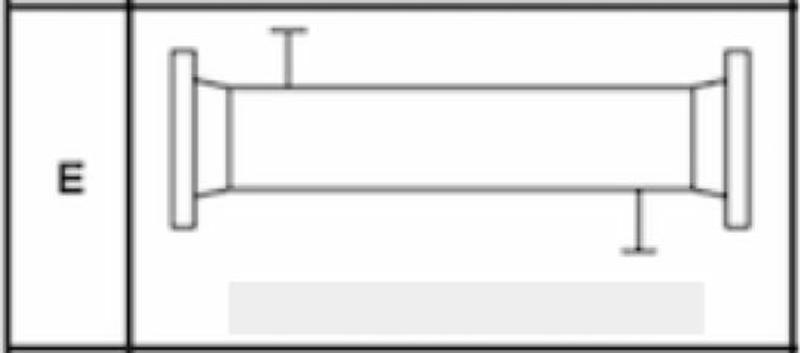
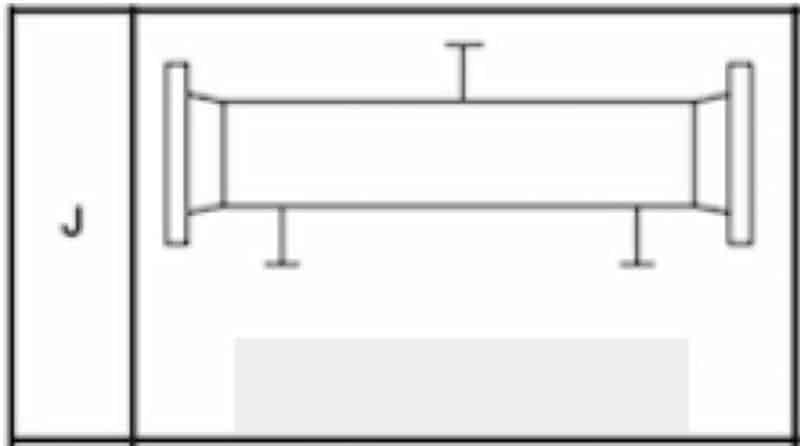
    The shell is a primary factor in controlling pressure drop. The most commonly used shell design is the E-type shell, which features a single inlet and outlet valve and allows the shell-side fluid to make a single pass. While the E-type shell is widely used, it can sometimes result in a pressure drop that exceeds the allowable limit. In these cases, designers may consider alternative shell types, such as the J-type shell, which incorporates two outlet valves to split the flow and reduce pressure drop.

    Shell designs that limit shell-side pressure drop

    In some configurations, the J-type shell may be modified to include one outlet valve and two inlet valves, sometimes referred to as the I-type shell. Though less common, this design can also help manage pressure drop by allowing for more balanced flow.

    Shell designs that limit shell-side pressure drop

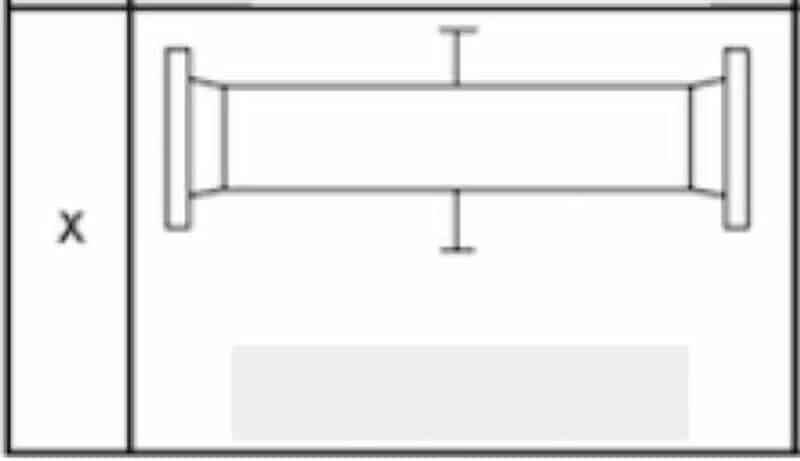
    For situations where flow splitting isn’t sufficient to control pressure drop, designers might opt for the X-type shell. Like the E-type, the X-type shell has a single inlet and outlet valve. However, the valves are positioned directly opposite each other, which improves flow distribution and can help reduce pressure drop. X-type shells are typically used in shell-side condensers and gas coolers.

    Shell designs that limit shell-side pressure drop

    If the shell style must remain unchanged but pressure drop still needs to be controlled, increasing the shell diameter can be an effective strategy. A larger diameter reduces flow velocity by shortening the length of the tubes, which can lower the pressure drop. However, this comes with trade-offs, including increased material costs due to the thicker shell wall and a higher tube count. Additionally, shorter tubes can lower tube-side velocity, potentially reducing heat transfer efficiency.

    Limiting Pressure Drop: Tube Configurations

    The arrangement of tubes also plays a significant role in managing shell-side pressure drop. For example, tubes arranged in a square pattern can reduce pressure drop and facilitate easier tube cleaning. However, a square arrangement tends to accommodate fewer tubes, which can limit heat transfer capacity.

    To balance this, designers may opt for a rotated square (or diamond) tube pattern, which can improve heat transfer by increasing flow turbulence, though it may still lead to a higher pressure drop in some cases.

    Tube pitch—the distance between adjacent tubes—also impacts pressure drop. A tighter tube pitch increases the number of tubes within the shell, maximizing heat transfer but also increasing shell-side pressure drop. Conversely, increasing the tube pitch can reduce pressure drop by allowing the fluid to flow more slowly, which can be particularly effective when combined with an X-type shell.

    Limiting Pressure Drop: Baffle Design

    Baffles, the metal plates that direct the flow of shell-side fluid, are another critical element in pressure drop management. The size, shape, and placement of baffles influence the flow pattern, velocity, and ultimately, the pressure drop.

    The most common baffle design is the single segmental baffle, which is nearly a full circle with one-third of the circumference cut away to allow fluid to flow around it. This pattern repeats along the length of the shell. While effective, the single segmental baffle can result in higher-than-desirable pressure drops, especially at high flow rates.

    To mitigate this, engineers may opt for a double segmental baffle, where the cutout is centered rather than positioned at the sides. This design divides the flow into two separate streams, helping to lower pressure drop by reducing the flow velocity while still maintaining effective fluid circulation.

    Enerquip Heat Exchanger Baffles
    Baffles arranged along the tube bundle help direct the flow of shell side fluid. 

    Limiting Pressure Drop: Baffle Spacing and Cut

    The spacing between baffles can be adjusted to control pressure drop. Increasing the gap between baffles allows for greater cross-flow, which reduces the pressure drop. However, there are design limits—baffles must be spaced far enough apart to prevent tube vibration or damage, as they also serve as support for the tube bundle.

    Baffle cut, or the percentage of the shell diameter removed from each baffle, also plays a role. A larger baffle cut (i.e., a larger opening) reduces flow resistance, lowering the pressure drop. However, this reduces baffle support, which can compromise tube stability and heat exchanger performance. Designers must strike a balance between reducing pressure drop and ensuring adequate tube support.

    Another baffle design option to reduce pressure drop is the no-tubes-in-window design. In this configuration, the baffles do not interact with the tubes, allowing for wider spacing between baffles. While this reduces pressure drop, it limits the space available for tubes, thus reducing heat transfer capacity.

    Finding the Optimal Solution

    Reducing pressure drop in a shell and tube heat exchanger requires a careful balance of design factors, and there’s no one-size-fits-all solution. Each design decision—from shell type to tube arrangement to baffle placement—impacts pressure drop, flow rates, and heat transfer efficiency. Experienced engineers understand how to navigate these trade-offs to meet the specific needs of your operation.

    At Enerquip, we specialize in designing and manufacturing shell and tube heat exchangers that optimize performance, including managing pressure drop. Our team can work with you to create a solution tailored to your requirements. Ready to discuss your project? Request a quote today!


    More from the Enerquip Blog

  6. Shell and Tube Heat Exchangers: A Guide to Industry Standards

    Leave a Comment

    Shell and tube heat exchangers are critical components across various industries, from oil refining and pharmaceutical production to food safety and brewing. Despite the diversity of these industries, they all share a common challenge: selecting the right shell and tube heat exchanger for their specific operations.

    Heat exchangers, when crafted with high-quality materials and meticulous standards, can have a long lifespan. However, when it’s time for a new purchase, making the right choice is essential. The configuration, codes, and industry standards your equipment meets are crucial factors that impact its performance and compliance. Adhering to these standards ensures that your products are not only of the highest quality but also meet all regulatory requirements.

    Industry standards play a pivotal role in ensuring that shell and tube heat exchangers are built to perform effectively and safely. Selecting an exchanger that meets the necessary criteria is vital for avoiding operational issues and ensuring that your products are safe for distribution.

    The following are key industry standards for shell and tube heat exchangers.

    TEMA Standards

    The Tubular Exchanger Manufacturers Association (TEMA) provides one of the most widely recognized industry standards. TEMA’s standards are categorized into three classes:

    • Class B: For chemical processing applications
    • Class C: For general commercial use
    • Class R: Primarily for petroleum processing, but also suitable for large-scale operations

    Each class addresses specific needs, such as the need for more robust construction in petroleum processing or the use of stainless steel in chemical applications. Understanding these distinctions helps in choosing the right heat exchanger for your industry.

    ASME Standards

    The American Society of Mechanical Engineers (ASME) sets standards that are crucial for the pressurized components of shell and tube heat exchangers, particularly those within the shell. The ASME VIII code is widely applied across various types of equipment, ensuring that the pressurized parts meet strict safety and performance criteria. Many heat exchangers are certified by both ASME and TEMA, as TEMA standards often complement ASME’s broader criteria.

    ANSI Standards

    The American National Standards Institute (ANSI) has been coordinating the U.S. voluntary standardization system for nearly a century. ANSI plays a key role in the development and improvement of industry standards, including those for shell and tube heat exchangers. Regular updates and calls for comments ensure that these standards evolve to meet industry needs.

    PED Standards

    Given the global use of heat exchangers, compliance with international standards is also essential. The Pressure Equipment Directive (PED) is a key standard in the European Union, covering everything from materials and harmonized standards to essential requirements and market surveillance. Adhering to PED ensures that your equipment is safe and legally compliant in the EU market.

    CRN Standards

    For operations in Canada, the Canadian Registration Number (CRN) is mandatory for all boilers, pressure vessels, and fittings. The CRN certifies that the equipment meets the specific safety standards of each province or territory. Understanding the CRN system, which includes province-specific codes, is crucial for ensuring compliance in Canadian markets.

    3-A Sanitary Standards Inc.

    Originating in the 1920s, 3-A Sanitary Standards were developed to ensure that equipment used in the dairy industry, and later food and pharmaceutical industries, could be easily cleaned and maintained. These standards, established by a collaboration of equipment fabricators, regulatory sanitarians, and processors, ensure that all equipment can be cleaned effectively, whether through a clean-in-place (CIP) system or manual cleaning.

    When purchasing a shell and tube heat exchanger, getting the right certifications is crucial. Enerquip’s team of engineers will know what your industry requires and will work with you to meet your needs. We invite you to contact us or request a quote today. 


    More from the Enerquip Blog

  7. Maximizing Heat Exchanger Efficiency with Impingement Devices

    Leave a Comment

    Click to Expand

    Maximizing Heat Exchanger Efficiency with Impingement Devices

    A shell and tube heat exchanger is a cornerstone of many production operations, designed to last for years under tough conditions. However, certain processes, especially those involving high fluid velocities, can lead to challenges like corrosion, erosion, and excessive vibrations. These issues not only impact the machine’s performance but can also reduce its lifespan, as vibration can cause tubes to pull out, leading to cross-contamination and damage to both the tubes and the shell.

    To mitigate these risks, the Tubular Exchanger Manufacturers Association (TEMA) advises that when dynamic pressure (rho*v2) exceeds 1,500 in certain high-velocity situations, an impingement plate should be installed. These plates help reduce erosion and vibration by diffusing the high-energy fluid. However, they come with their own drawbacks, such as increasing the shell diameter or creating vibrations themselves. Therefore, careful consideration is needed before making modifications to the heat exchanger.

    The Role of Impingement Devices in Steam Heating Systems

    In steam heating applications, the use of impingement devices can significantly improve the efficiency and longevity of the heat exchanger. Steam heating systems are vital for various industrial processes, such as cleaning, sanitation, and product heating, and rely on maintaining precise temperature and pressure levels. Shell and tube heat exchangers are central to these systems, ensuring effective heat exchange between process liquids and steam.

    Impingement devices help regulate the heat exchange process by increasing turbulence, reducing stagnation, and limiting corrosion. These devices keep the steam moving, particularly near the shell-side inlet, which enhances heat distribution and reduces the risk of vibration.

    Exploring Virtual Testing and Other Solutions

    Determining the best solution for high-velocity processes can be challenging. While impingement plates are effective, they may not always be the ideal solution. Using computer simulations, such as HTRI software, manufacturers can predict how different equipment will affect heat exchanger performance. These simulations use complex models to analyze fluid flow and allow engineers to explore other methods to reduce erosion and vibration risks.

    Beyond impingement plates, other protective devices can be used to reduce vibration and prevent erosion. Options like annular distributors, impingement rods, and different baffle configurations (such as double-segmental) can save space and cost while addressing thermal expansion issues. In some cases, longer shells or U-tube designs offer further protection, preventing tube pullout or shell damage.

    Types of Impingement Devices

    At Enerquip, a variety of impingement devices are available to improve heat exchanger performance. The choice of device depends on factors such as fluid properties, velocity, and system pressure drops. Here are some common options:

    1. Baffles

    Installed perpendicular to fluid flow, baffles increase turbulence and redirect the fluid to improve heat distribution across the tube bundle.

    2. Annular Distributor (steam bustle, vapor belt)

    This device wraps around the outside of the tubes and distributes steam or vapor evenly across the bundle. It’s especially useful in applications where product has the potential to bake onto the tubes, as it prevents hot spots and promotes uniform heating. Learn more.

    3. Steam Dome

    Incorporated into the steam inlet nozzle, the steam dome is an larger nozzle where steam spreads out before reaching the tubes. The steam dome (with or without an impingement plate) helps ensure even steam distribution, minimizes pressure drop, and keeps viscous or sensitive fluids flowing smoothly—reducing the risk of localized overheating or product degradation.

    4. Twisted Tubes

    Shaped like a corkscrew, twisted tubes create controlled turbulence as fluid flows through, enhancing heat transfer and reducing the likelihood of fouling.

    Maximize Efficiency with Enerquip

    Choosing the right impingement device is essential for ensuring the longevity and efficiency of your heat exchanger, whether for industrial or sanitary applications. At Enerquip, we specialize in steam heating solutions and can help you determine the best methods to reduce erosion, vibration, and ensure efficient heat exchange. Contact us to learn more or request a quote to get started.


    More from the Enerquip Blog

  8. Choosing Between a Straight Tube and U-Tube Heat Exchanger Design

    Leave a Comment

    Designing a Shell and Tube Heat Exchanger

    Designing a shell and tube heat exchanger involves considering various factors, such as cost, application, and facility limitations. A key decision in this process is choosing between a straight tube and a U-tube exchanger. The tube design is crucial; selecting an inappropriate design can lead to exchanger damage or fouling, which is hard to clean. Both designs are widely used across industries like food and beverage, chemical, and pharmaceuticals, each with its own pros and cons.

    The Tubular Exchanger Manufacturers Association (TEMA) classifies exchangers into types, with the BEU model (U-tube design) and the BEM model (straight tube design) being the most common. These models are identical except for the tube design and the rear bonnet. The B-type front bonnet allows access to the tube sheet for cleaning after removal from the piping and is relatively inexpensive. The E-type shell is a popular single-pass design.

    Straight Tube Design
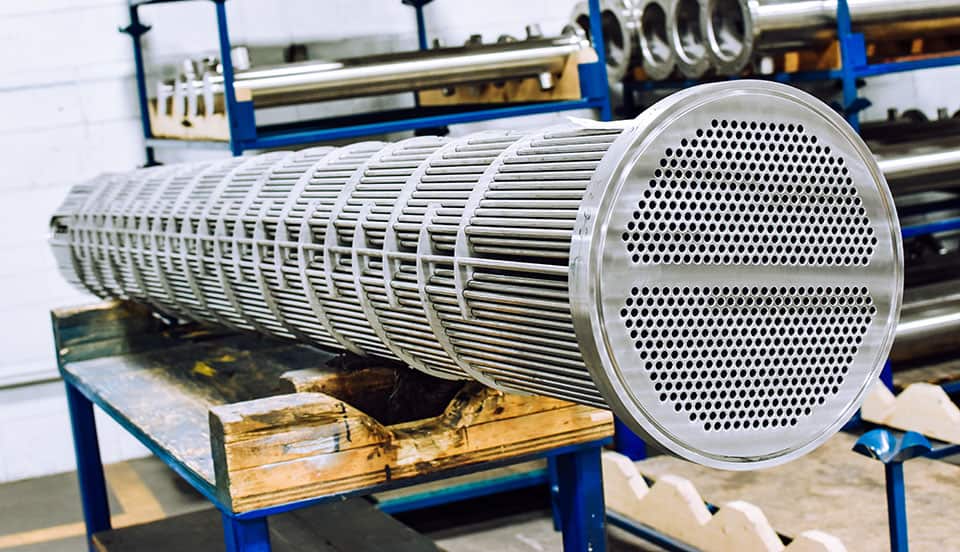
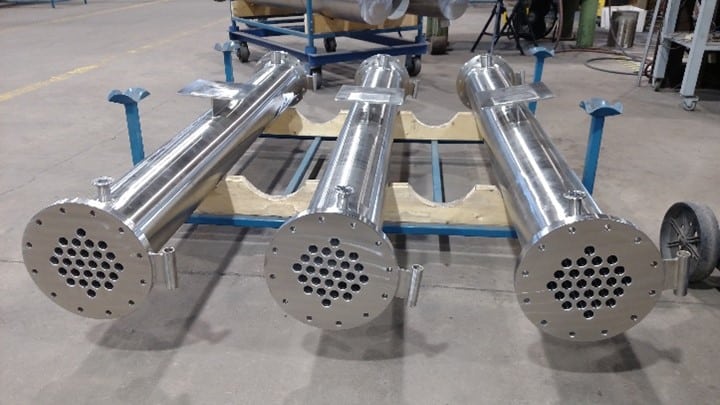
    Straight tube shell and tube heat exchangers from Enerquip

    Advantages of a Straight-Tube Design

    The straight tube design, particularly the BEM model, is simple and versatile, suitable for nearly any industry and application. Some companies may prefer other models for higher efficiency, but the BEM design often works as a substitute.

    Straight tube exchangers enable pure countercurrent flow, usually without needing a second exchanger in series. In such cases, an F-type two-pass shell with a longitudinal baffle is preferred over the E-type, as the baffle separates the two streams. Countercurrent flow means the hot and cold streams move in opposite directions, ensuring the hot stream is always warmer than the cold stream throughout the exchanger.

    In contrast, cocurrent flow involves the hot and cold streams moving in the same direction, requiring the cold stream to always be cooler than the hot stream. This configuration is less efficient, so many manufacturers avoid it.

    Cleaning is another key consideration. Straight tubes are the easiest to clean due to their lack of bends. However, some designs make inspecting and cleaning the shell difficult because the tubes cannot be removed from the shell.

    U Tube Shell & Tube Heat Exchanger by Enerquip
    U-tube shell and tube heat exchanger from Enerquip

    Advantages of a U-Tube Design

    While straight tube designs have many benefits, they can be limited in certain areas, making the U-tube design popular. Although U-tubes involve bending, they require only one tube sheet and bonnet, significantly reducing costs.

    Straight tubes are susceptible to damage from thermal expansion, as tubes heating at different rates can harm the tube sheet and shell. An expansion joint can mitigate this issue, but it adds cost. U-tube exchangers, connected to the tube sheet and shell at only one end, allow for thermal expansion without damaging the rest of the machine.

    U-tube designs also facilitate easy removal of tube bundles for inspection and cleaning of the shell and the outside of the tube bundle.

    If you have questions about the most suitable type of exchanger for your application, contact the experts at Enerquip for advice on the best option to meet your needs.


  9. Designing a Shell and Tube Heat Exchanger

    Leave a Comment

    Shell and tube heat exchangers are an integral part of many operations. The product flowing through the exchanger, such as dairy, food, or pharmaceuticals, will eventually be in the hands of customers who rely on consistent quality for their health and well-being. For this reason, it is crucial the exchanger is the best one for the job.

    Manufacturers need to choose the right style of shell and tube heat exchanger. Different processes and industries have different requirements for their equipment. Because of this, customizing a shell and tube heat exchanger takes expertise from both the supplier and the buyer of the equipment. A lot that goes into fabricating a heat exchanger and taking all pertinent items into consideration is essential during the design phase.

    The Shell

    Perhaps the most recognizable part of the shell and tube heat exchanger is the shell itself. There are many different options for the shell design, including one-pass shells, two-pass shells, double split flows, divided flows and cross flows. These are all classified as different standards with the Tubular Exchanger Manufacturers Association. There are also several streams within the shell that need to be taken into consideration when designing it.

    There are many different materials that shells can be made from. The materials should be resistant to corrosion and sturdy enough to encase the tubes and the high-pressure processes that will occur within. Carbon steel is a common material used for shells, as is stainless steel. Stainless steel is highly resistant to many forms of corrosion, making it a preferred material for many manufacturers.

    It’s important to understand what liquid will be flowing through the shell side. Knowing the liquid that will be used will help to determine the material, as the metal chosen should not react with the fluid used. Viscous fluids can be used either on the tube side or the shell side. However, many exchangers that use viscous liquids on the shell side experience vibrations, which puts the equipment at risk of damage and maldistribution.

    Tubes and Tube Sheets

    There are three types of tube sheet designs. A fixed tube sheet has tubes that run from one end of the shell to the other and is welded to the shell. A U-tube heat exchanger only requires one tube sheet because the tubes leaving the tube sheet are bent at the end of the exchanger and returned to the same sheet. The third type is the floating head. This requires two tube sheets; one, which is fixed to the shell, and a second, which is located at the other end but is not fixed, allowing for tube expansion.

    There are many factors to consider when choosing between these three. One of them is cost. The u-tube tube sheet is likely the least expensive as only one tube sheet and channel is required. The fixed tube sheet is more expensive but gives you more options for more viscous fluids. Finally, the floating head tube sheet is the costliest, as it has the most complex design.

    However, while cost plays an important part in the decision-making process, it cannot be the only factor. It is crucial that the tubes and tube sheets be cleaned and maintained to prevent breaks, leaks and fouling. The fixed tube sheet’s tubes can be accessed for cleaning (with cleaning rods or pressurized water), but the tube bundle cannot be removed from the shell, making cleaning difficult. On the other hand, the U-tube and floating head designs allow for the bundle to be removed, so cleaning is easier.

    Learn more about maintaining your shell and tube heat exchanger.


    More from the Enerquip Blog

  10. Addressing the Impacts of Maldistribution in Heat Exchange

    Leave a Comment

    Editor’s note: This content was last updated 5/13/24.

    In the realm of processing liquids with shell and tube heat exchangers, maintaining impeccable conditions is paramount. Even the slightest flaw, breakage, or contamination within the exchanger can jeopardize the entire liquid batch’s suitability for consumption.

    Shell and tube heat exchangers, renowned for their versatility across various industries, including dairy, food and beverage, and pharmaceuticals, play a pivotal role in ensuring consumer safety and trust.

    Maldistribution causes problems

    One challenge faced in shell and tube heat exchanges, though, is maldistribution, characterized by an uneven flow of liquid through the tubes. This issue can lead to tubes pulling out of their designated spaces on the tube sheet, risking contamination of the processed solution and compromising product integrity. Repairing such damage can be costly and time-intensive, underscoring the importance of preventing maldistribution.

    You may consider a double tube sheet to further seal and separate the tubes and the shell. 

    Thermal expansion exacerbates maldistribution, particularly when there’s uneven heat distribution between the shell and tube sides of the exchanger. Installing expansion joints can mitigate this risk, ensuring the components can expand and contract uniformly. Additionally, maintaining evenly dispersed flow within the exchanger, especially as the flow rate increases, is crucial for averting maldistribution. Employing liquid distribution systems with adequate pressure and temperature control can further enhance uniformity across tubes.

    Understanding these potential causes of maldistribution underscores the importance of investing in high-quality, customized shell and tube heat exchangers. By incorporating features like expansion joints and bottoms recirculation systems, companies can safeguard against maldistribution and its detrimental effects on product quality.

    For tailored solutions and expert guidance on process equipment, contact Enerquip today.


    More from the Enerquip Blog